
 CJCE recently published its latest free to read virtual issue: Trending Now: Top 20 Articles. This issue features the top 20 trending articles published in CJCE based on Altmetric Attention Score, with publication dates ranging from 1970 to 2026. Be sure to explore these articles while they are free to read for a limited time!
The Editor’s Choice article of the November issue is an open access article from the Celebration of the 75th CSChE Special Issue Section, titled “A study of Ni-Co/CeO2 catalyst derived from metal–organic framework for dry reforming of methane” by Ruth D. Alli and Nader Mahinpey from University of Calgary: “The efficacy of cobalt-doped, MOF-derived catalysts for dry reforming of methane (DRM) was examined. The focus was on the influence of varying nickel and cobalt molar ratios on catalytic performance. Three catalysts with Ni:Co ratios of 1:1, 1:0.5, and 0.5:1, were synthesized and tested with cerium oxide as a constant support. The DRM reaction was conducted at a low temperature of 700°C for 24 h. Despite the low reaction temperature, the catalyst containing an equimolar ratio of Ni and Co demonstrated the highest performance, achieving CO2 and CH4 conversions of 91% and 84%, respectively, with an H2/CO ratio of 0.96.”
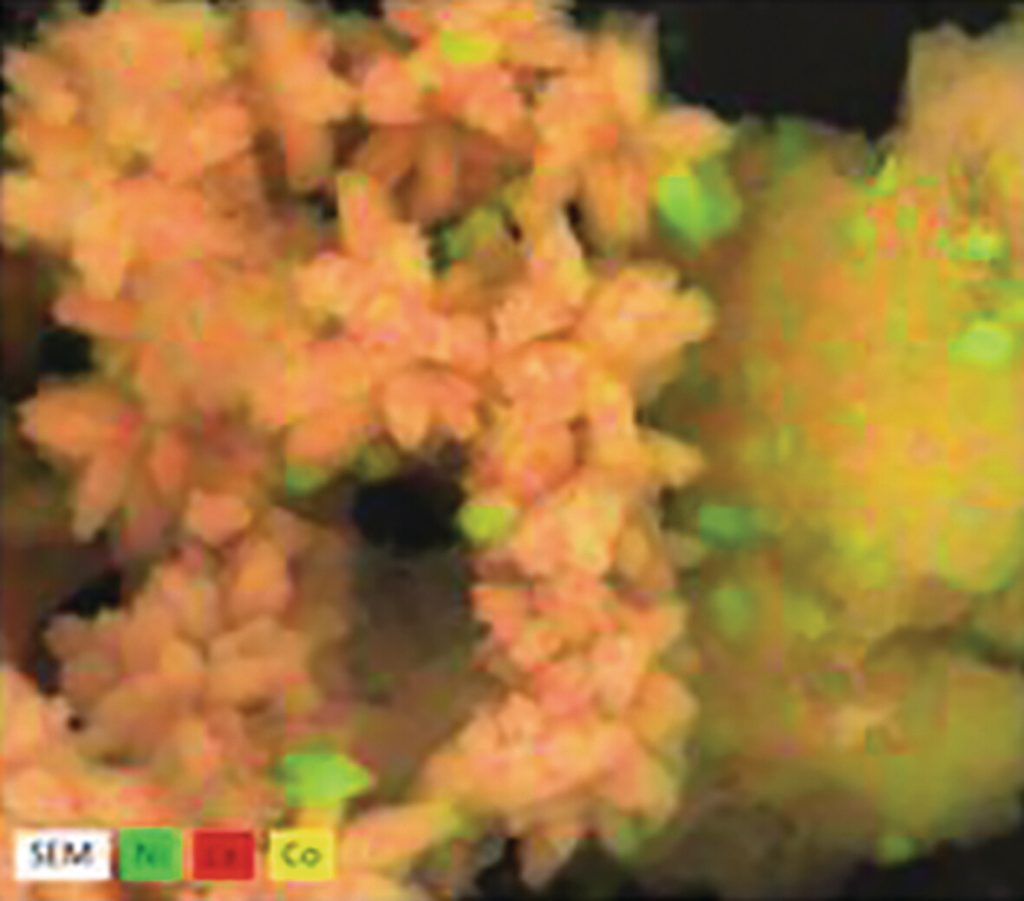
[Source: R. D. Alli, N. Mahinpey, Can. J. Chem. Eng. 2026, 104, 5921.]
Next, is an open access article and the latest addition to the Experimental Methods in Chemical Engineering Special Series, titled “Experimental methods in chemical engineering: Cyclic voltammetry—CV” by Yasser Matos-Peralta, Christopher Panaritis, JoElen Hagler, Clara Santato, and Gregory S. Patience from Polytechnique Montréal: “Cyclic voltammetry (CV) is a foundational electroanalytical technique for investigating redox behaviour and evaluating material performance across fields such as molecular electrochemistry, electrocatalysis, sensing, and energy storage. Despite its widespread use, a gap remains between formal electrochemical theory and the practical data analysis required for chemical engineering applications. This review addresses that gap by treating the voltammogram as a multidimensional source of mechanistic and quantitative information rather than as a purely qualitative profile.”
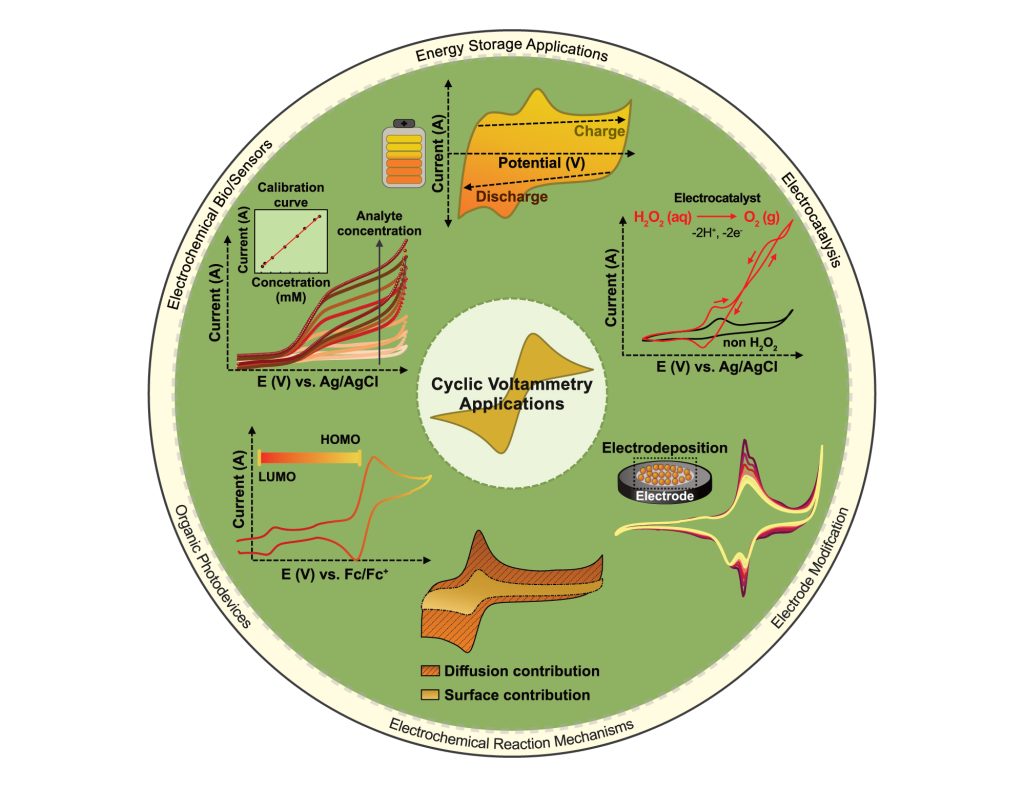
[Source: Y. Matos-Peralta, C. Panaritis, J. Hagler, C. Santato, G. S. Patience, Can. J. Chem. Eng. 2026, 104, 5776.]
The third issue highlight is a new addition to the Perspectives in Chemical Engineering Special Series, titled “What makes a goof review? A fictional case study” by João B. P. Soares and Thomas A. Adams II from University of Alberta and University of Science and Technology, Norway: “Peer review is often described through principles, best-practice policies, and checklists, but its strengths and failures become clearer when they are examined through concrete examples. In this article, we present a fictional case study designed to illustrate recurring patterns in reviewer reports, editorial decision-making, and author responses…The article argues that good peer review requires more than technical competence. It requires proportionality, ethical judgement, editorial responsibility, and respect for the distinction between improving a manuscript and redesigning the authors’ study. The fictional case study is intended as a practical teaching tool for reviewers, editors, and authors seeking to improve the culture of peer review.”
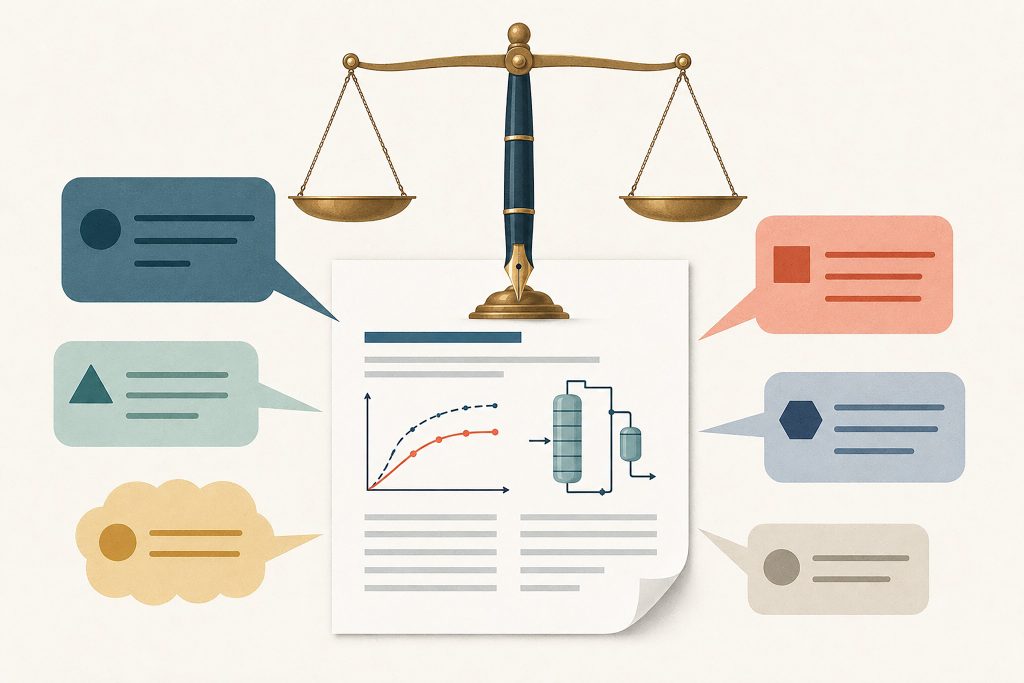
[Source: J. B. P. Soares, T. A. Adams II, Can. J. Chem. Eng. 2026, 104, 5828.]
The final Issue Highlight is another open access article from the 75th CSChE Special Issue Section, titled “Clathrate hydrate crystallization” by Peter Englezos from University of British Columbia: “Clathrate hydrate crystallization has been an area of interest to chemical engineers from the point of view of crystal structure, thermophysical properties, phase equilibria, kinetics, industrial applications, and environmental (climate change) implications. There is ongoing scientific and practical interest in this multidisciplinary field. This manuscript aims to present the status of the subject from the chemical engineering point of view by focusing on equilibrium, kinetics, and applications including the relationship between clathrate hydrates and climate change.”
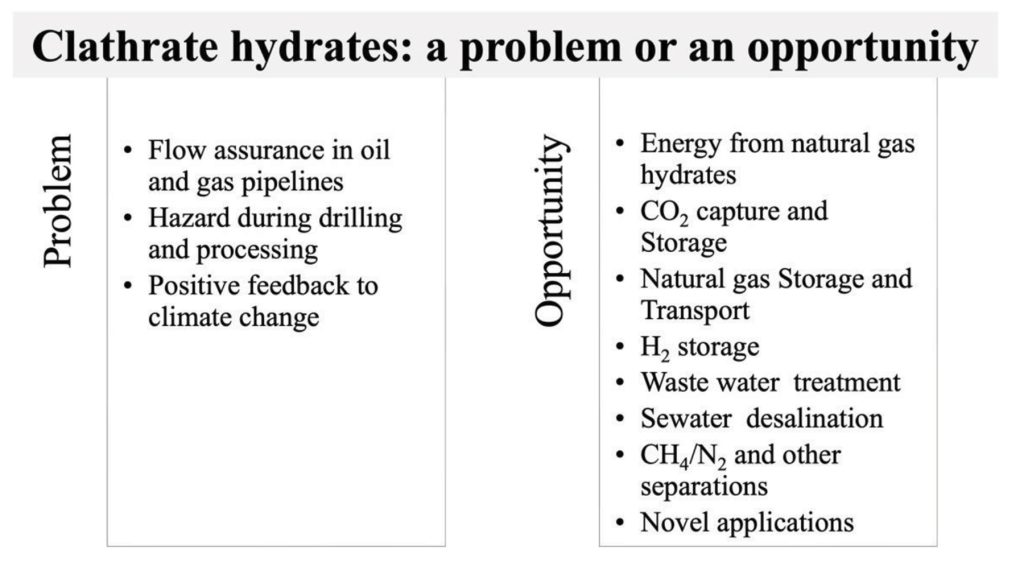
[Source: P. Englezos, Can. J. Chem. Eng. 2026, 104, 5931.]