
Happy Peer Review Week 2026! Although Peer Review Week 2026 is next week from September 14–18, we are celebrating early. This is an annual event celebrated globally to highlight the importance of peer review. The organization behind this initiative plan, organize, and promote this event, which includes webinars, interviews, and more. Find out more here. This year’s theme, identified in the Peer Review Week 2026 press release, is “Peer Review Capacity: Volume, Speed, and Quality”, reflecting the challenge of handling an increasing volume of submissions while also managing the expectation for faster decision-making: “This year’s theme focuses on how the community can respond to that demand while preserving the quality, trust, and integrity – the pillars sustaining peer review.”
This year, to celebrate Peer Review Week, we would like to highlight recent articles written by CJCE Editor-in-Chief João B. P. Soares and CJCE Associate Editor Thomas A. Adams II on the topic of peer review. First is a recent CIC News story titled “Peer Review Is a Shared Responsibility: Ethics for Reviewers, Authors, and Editors”. This story is based on a recently published open access article, also by Profs. Soares and Adams, titled “On the Defence of Responsible Human Judgement in Peer Review”. This article looks at what must be done by editors, reviewers, and authors to “ensure that peer review remains a reliable instrument for judging the quality of scientific publications”. As such, this article clarifies “the reviewer’s mandate: the rigorous and fair assessment of scientific work, done by human experts who understand that it is not their role to redesign the authors’ research program, manipulate citations to their own benefit, outsource judgement to large language models, or to violate the trust on which the peer review principles depend.”
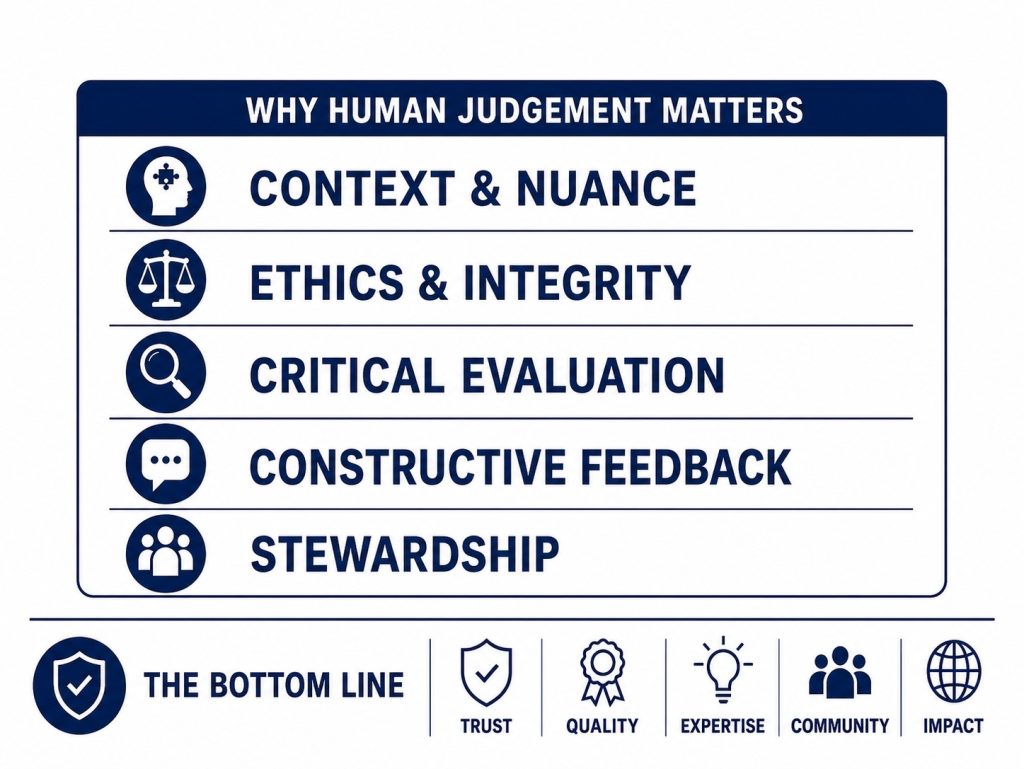
In August, Profs. Soares and Adams also published an article titled “What Makes a Good Review? A Fictional Case Study”. As a follow up to the previous article noted above, this article provides “a fictional case study designed to illustrate recurring patterns in reviewer reports, editorial decision-making, and author responses” in which “seven fictional reviewer reports are then used to illustrate common reviewing archetypes: the Conscientious Reviewer, the Superficial Reviewer, the Hypercritical Reviewer, the Algorithmic Reviewer, the Research Director, the Business Director, and the Citation Collector.” The case study is followed by an analysis of the fictional reviews. Ultimately, “the article argues that good peer review requires more than technical competence” and requires “proportionality, ethical judgement, editorial responsibility, and respect for the distinction between improving a manuscript and redesigning the authors’ study.”
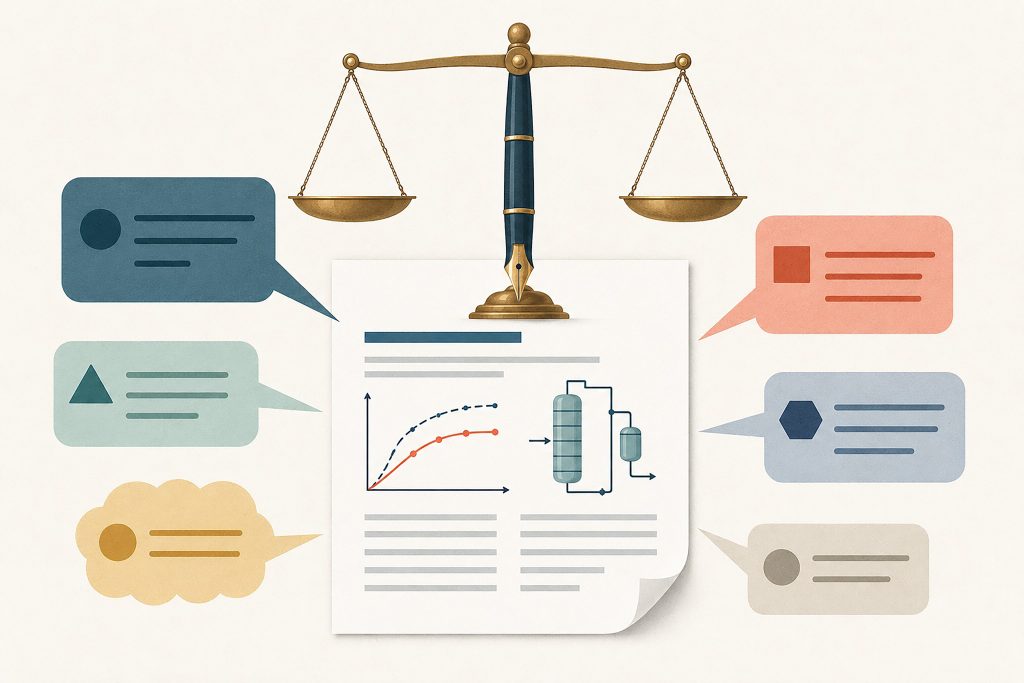
To accompany this recent series of articles, Profs. Soares and Adams have created a practical companion that can be used by reviewers, authors, and editors during the peer review process. This guide was included within the CIC News story noted above; however, it can now be read and downloaded here.